---
title: "Shedding a light"
subtitle: "How not to leave users in the dark (patterns)"
author: "Lorenzo Ancona"
date: 2025-03-05
language: en
words: 1464
canonical: https://artifactstech.substack.com/p/shedding-a-light
license: CC BY 4.0
cite_as: "Shedding a light by Lorenzo Ancona, Artifacts, 2025-03-05. https://artifactstech.substack.com/p/shedding-a-light (CC BY 4.0)"
---
# Shedding a light
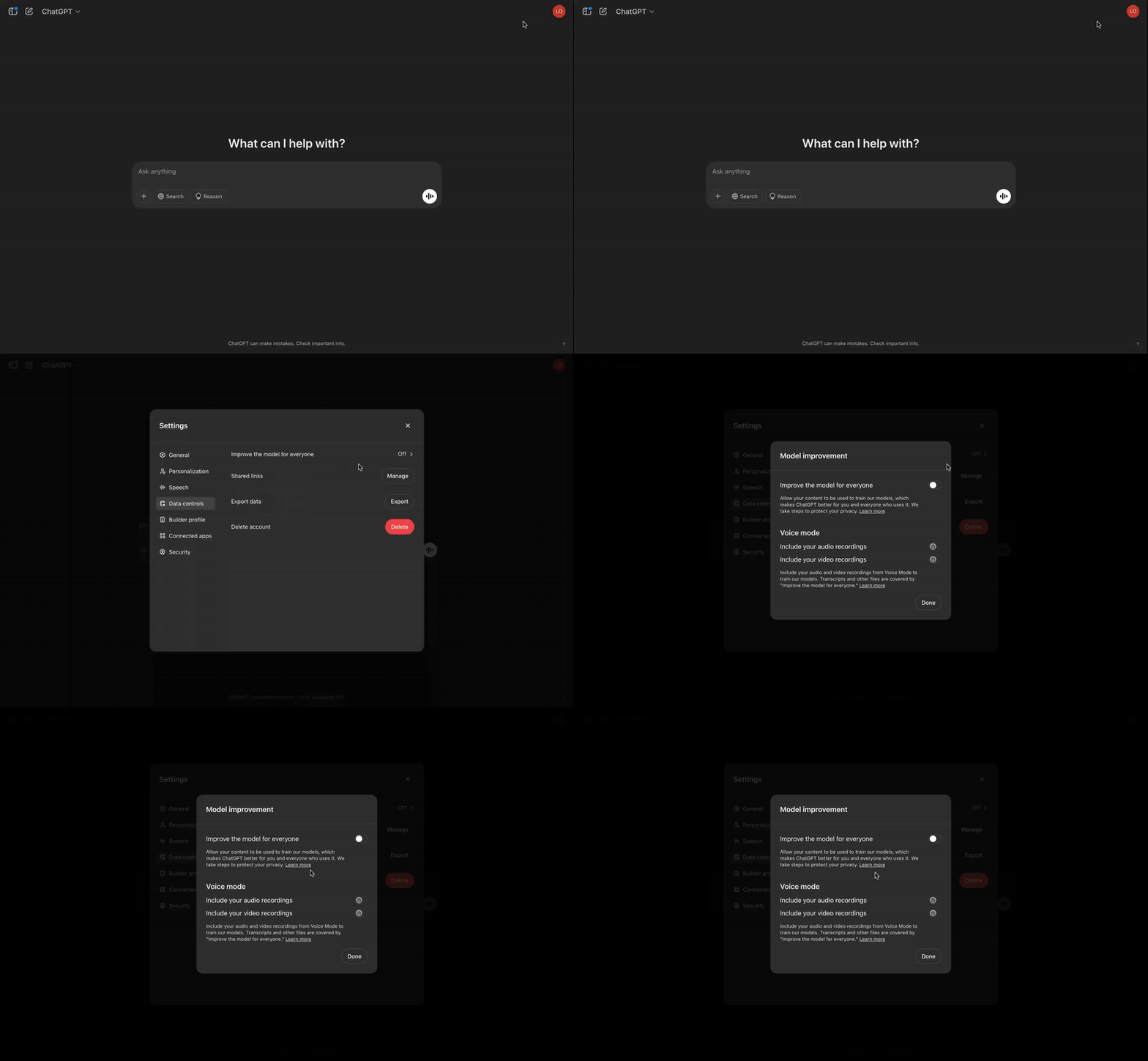
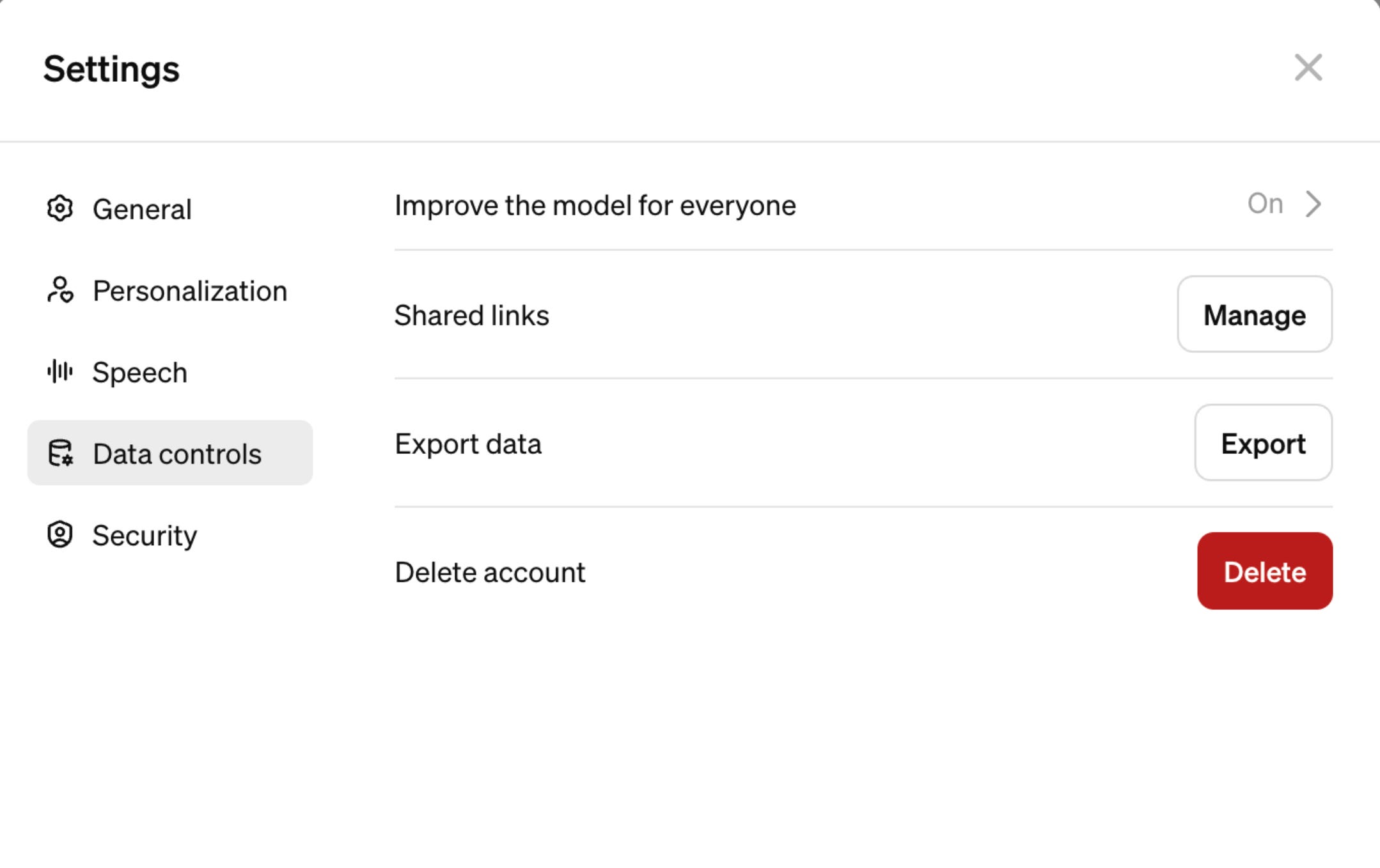
This is how turning off data collection in ChatGPT does (not) work.
(Yes what you should do if you've ChatGPT writing confidential emails)
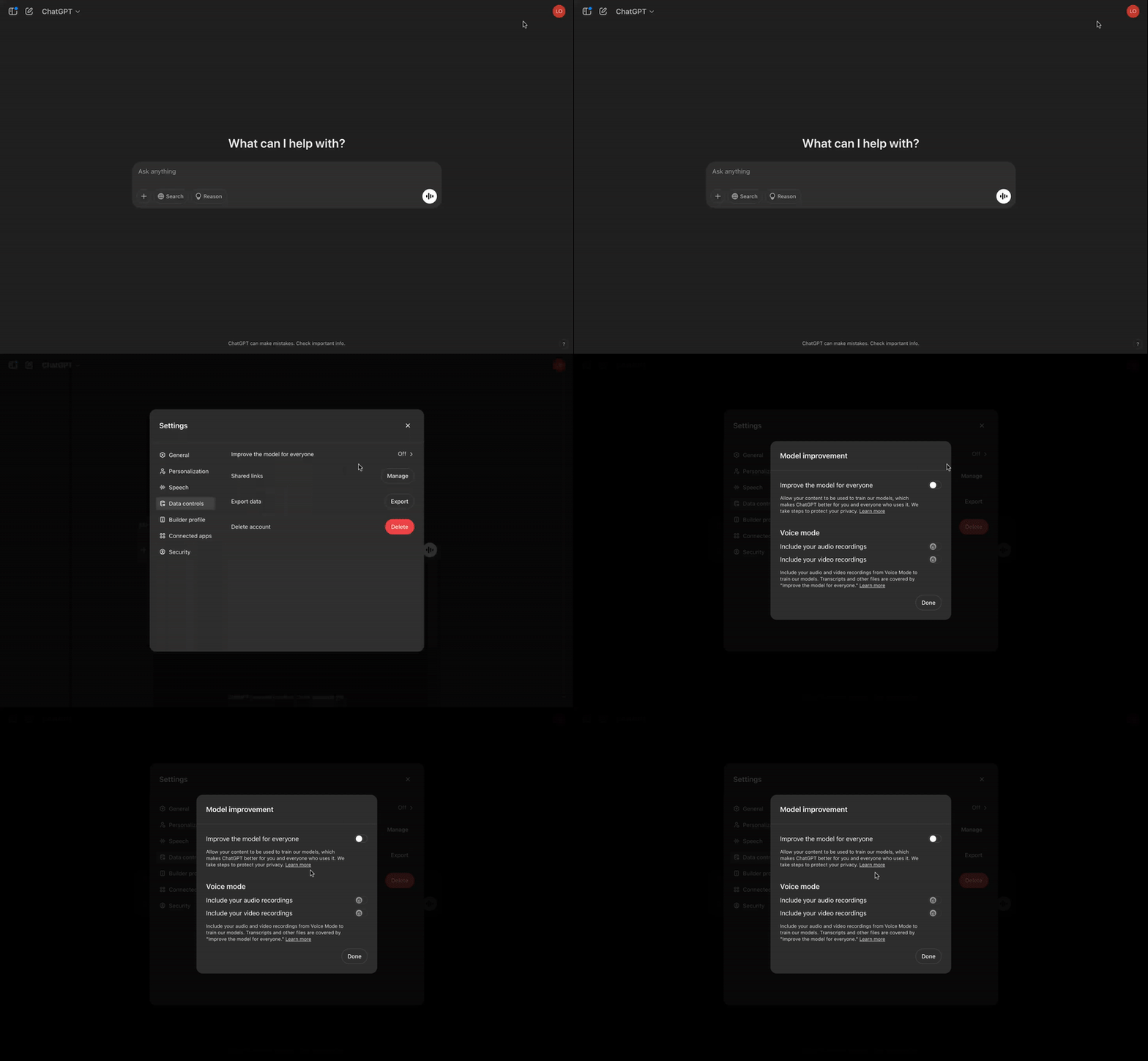 Or rather, you can pull it off - eventually. But it’s not exactly intuitive, nor is it easy. And that’s for a few reasons:
- first of all, it takes 4 (!) clicks to get there;
- the language is - to say the least - convoluted: "improve the model for everyone" sounds almost noble, like some crowdsourced act of AI altruism. It subtly frames opting out as selfish, as if withholding your data means stalling progress, depriving the world of some grand technological enlightenment;
- This setting is ON by default;
- If you want out, there’s no simple “Off” button. Instead, you get a chevron ( \> ) - a tiny, easily missed nudge toward another screen. More friction, more effort, more chances to give up and leave the setting as it is.
To be clear, I’m not picking on OpenAI specifically. They do get some things right - like warning users that AI-generated answers can be wrong. A reminder that, despite its confidence, ChatGPT is the Great Pretender.
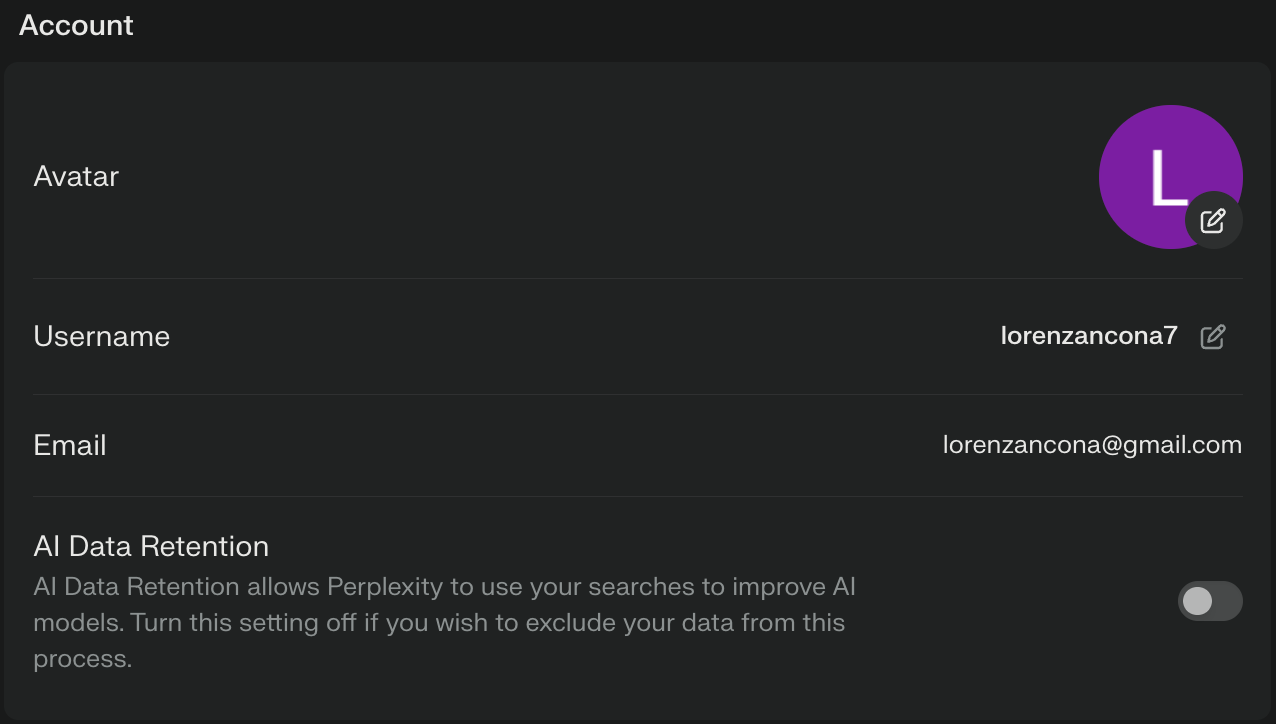
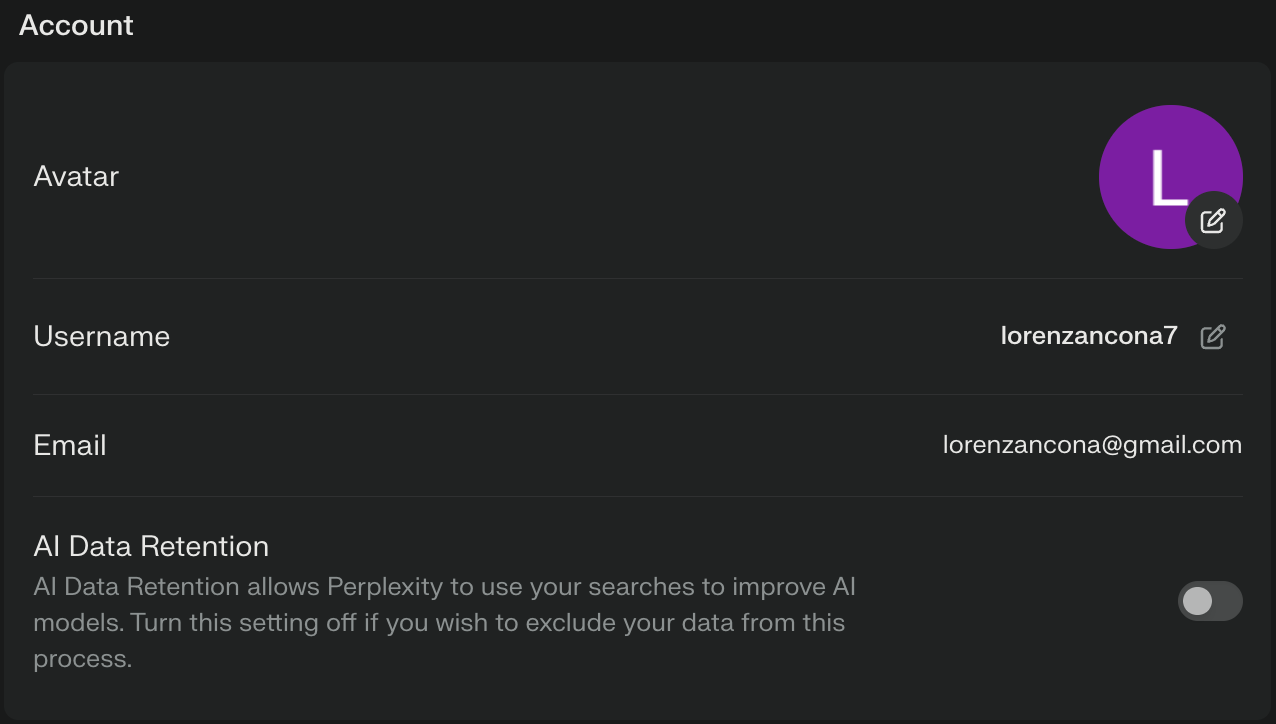
And they’re not alone. Take Perplexity. It doesn’t exactly set a gold standard for transparency either.
 But I’m not here to talk about AI or data collection. This is just the hook, the spark that led to this edition of Artifacts.
Because what really matters is what all these frustrating UX journeys have in common: a specific, insidious concept - dark patterns.
Back in 2010, UX designer Harry Brignull gave this name to something we’ve all experienced: deceptive design choices that subtly push users toward actions they might not otherwise take.
He even cataloged them, putting together a hall of shame full of the most shameless examples.
And he was onto something. Fast-forward to today, and “dark patterns” are recognized in tech regulation, from the EU’s Digital Services Act to California’s CCPA
------------------------------------------------------------------------
What he got right is that design matters and, importantly, shapes users’ behaviour.
Because design isn’t just about aesthetics. It’s a language - one that dictates what we notice, how we navigate, and what choices feel possible and, eventually, our agency over the (digital) world
Like words in a sentence, design structures our experience. It can clarify or obscure, guide or mislead. It can empower users - or trap them in a maze of friction, confusion, and manipulation, as dark patterns do.
In this edition of Artifacts, we’re shining a light into that darkness. And tracing it back to some core principles of design—not just digital UX, but the very fundamentals of how we interact with everyday things.
> ### The Story
At its core, design is a system of control. The real question isn’t how something is designed, but for whom —\> Whose interests are being served?
This isn’t just a theoretical musing - it’s baked into the very nature of how we interact with the world, both physical and digital. A door handle, a software setting, a checkout button - each one is designed to nudge us toward an intended action.
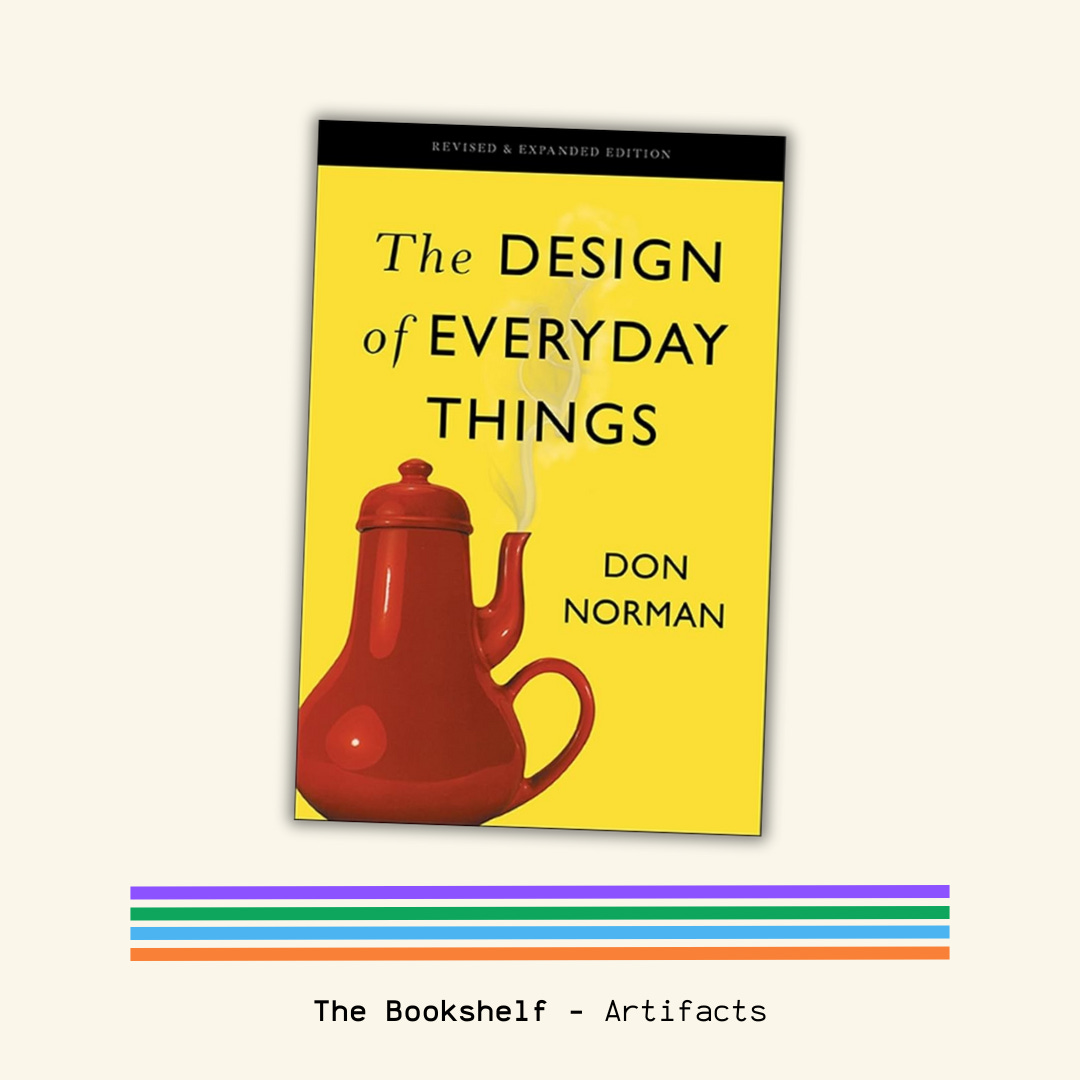
Don Norman, in “The Design of Everyday Things”, breaks this down into a set of principles & criteria that make objects easy to use. They’re just as relevant to websites and apps as they are to coffee makers and light switches:
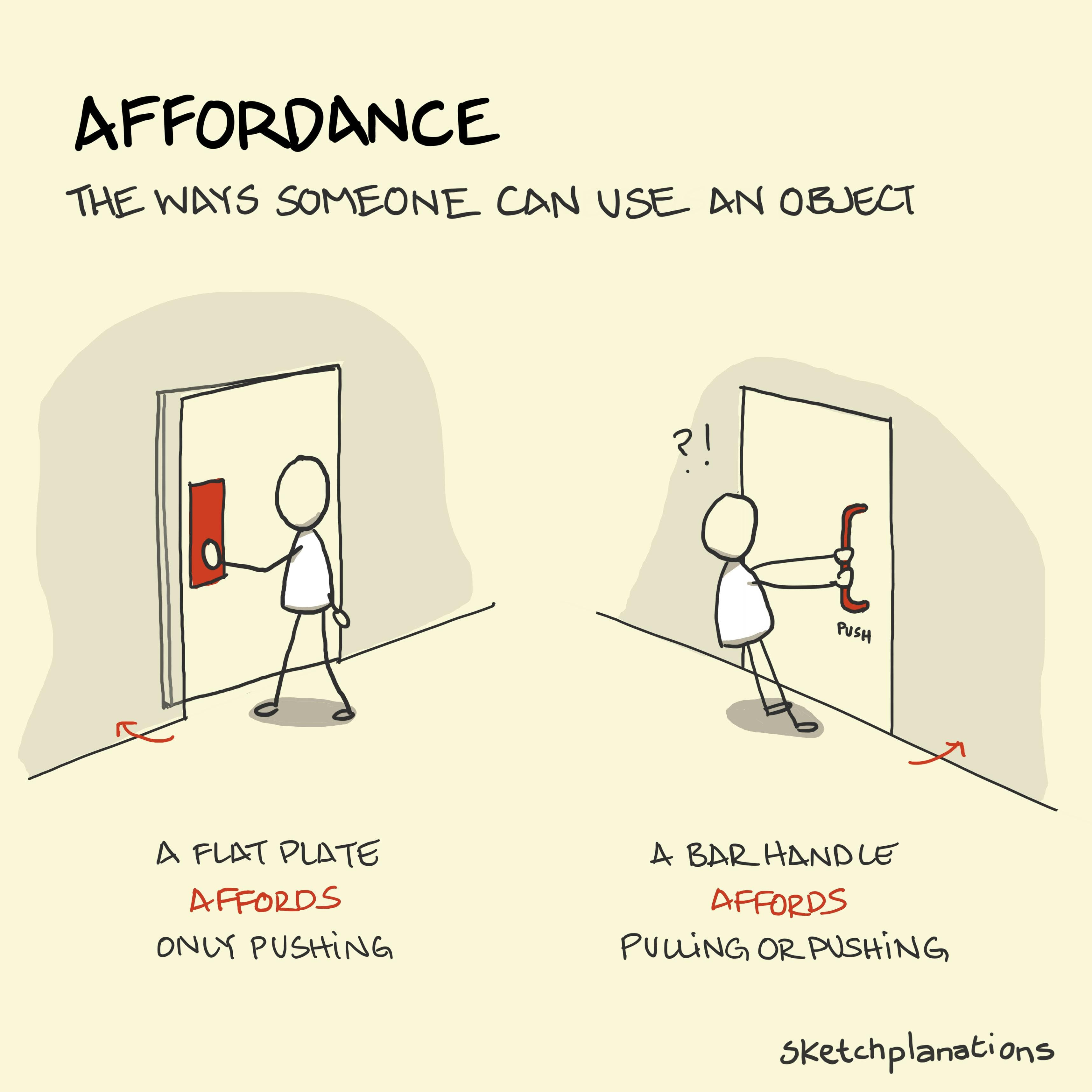
- Affordances tell us what something can do. A handle invites pulling, a button suggests clicking. When design is done well, this feels obvious. When it’s not, you push when you should pull - or worse, click when you shouldn’t.
- Signifiers guide where to act. A blue underlined link looks clickable. A toggle switch with unclear states? That’s bad signification - you’re left wondering if it’s on or off.
- Mapping is how controls relate to their effects. A volume knob turns right to increase sound. But in a digital setting, mapping can be twisted: a privacy setting buried deep inside a “General” menu is mapped to be hard to find on purpose.
- Feedback lets you know something happened. Click “Delete Account,” and you should get a confirmation. If you don’t? You’re left in limbo, unsure if your action even worked.
 For instance
These lead to two broader design principles:
- Discoverability, whether we can figure out what actions are possible and where and how to perform them;
- Understanding: How a product is supposed to be used and what do all the different controls and settings mean.
These are the criteria we can use to evaluate the design of anything - the worse it performs, the closer we get to a dark pattern or, more simply, to a design that harms users.
Now, here’s where things get interesting. If an interface lacks these qualities by accident, it’s just bad design. Annoying, but not sinister.
But when these principles are deliberately weakened? That’s when we enter the realm of dark patterns.
 Which is, actually, well different from a bad design.
Dark patterns don’t make a product unusable - they make it work against you. They constrain options, push defaults, and make it harder to act in your own interest. They turn users into passengers rather than drivers of their own experience.
And where does that lead? To a world where control shifts from the user to the designer - not in service of usability, but of someone else’s bottom line.
------------------------------------------------------------------------
So, what? Playing around with Don Norman’s toolkit—more understanding, more discoverability—we can rethink how OpenAI’s opt-outs work.
 as a reminder
Which, again, doesn’t just mean fixing what’s broken. It means making the system explain itself so users don’t have to reverse-engineer it.
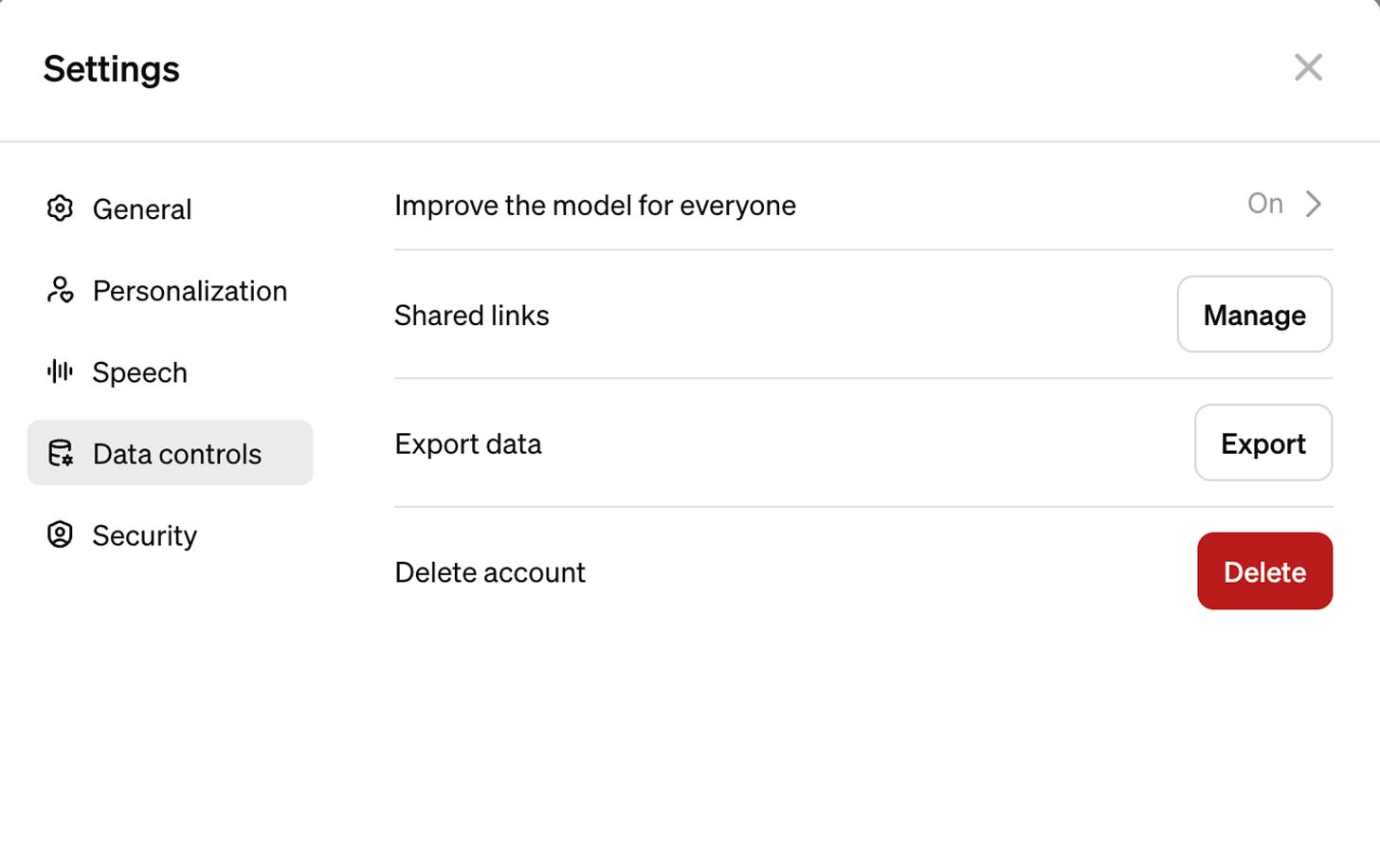
Right now, the setting has a vague phrase paired with an On toggle. What does “improve” mean? What data is being collected? Can I see what’s shared? These are black boxes where transparency should be.
And then there’s the toggle itself - a tiny, unclear switch with no real signifier of its state. Does “On” mean I’m sharing data? Does “Off” mean I’m private? A simple binary like:
✅ “Allow my chats to be used for AI training”
🚫 “Do not use my chats for AI training”
…would be far clearer. Even better? A proper switch component - one that explicitly changes state instead of a vague, text-based indicator.
And that’s it for signifiers and affordances: we know better what to do and are better guided.
On top of this, we can reimagine the mapping.
Currently, this option sits under “Data Controls,” which sounds neutral, almost administrative. But data-sharing is a privacy decision, not just a settings toggle. It belongs under Security - or at least should be cross-referenced there. If a user has to hunt for it, they’re already at a disadvantage.
Needless to say, making it less than 4 clicks away, possibly in the home page, would make things even more understandable and usable.
------------------------------------------------------------------------
These aren’t sweeping changes or demands for a full system overhaul. They’re small but meaningful adjustments—simple ways to make the system clearer, giving users more control and, ultimately, more power over their own data.
So they’re not left in the dark.
Leave a comment
> ### Save for Later
Silicon Valley has its new God.
Paris has been the AI capital for a few days, so what?
Please just say “I don’t know”, AI! And don’t tell me how and what to write. (one of the best pieces read in the past year)
Building products and what not to do.
What life with TikTok can end up being, after a while.
Who’s powering the DOGE?
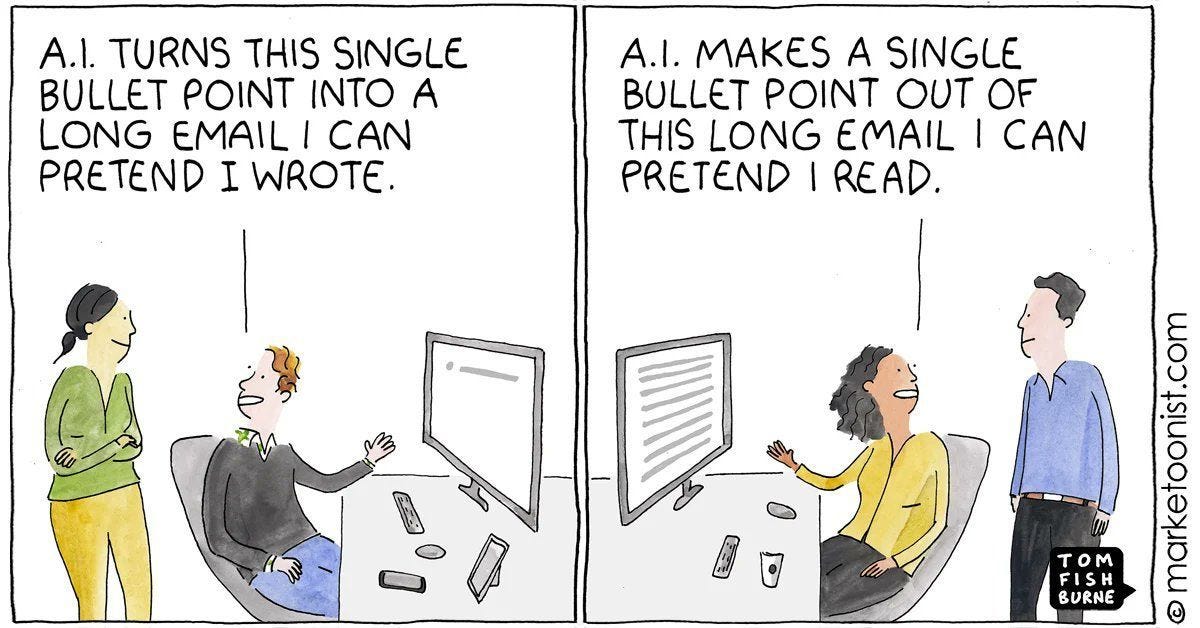
Lol:
 > ### Someone said this before
“Knowledge is knowing that a tomato is a fruit. Wisdom is knowing not to put it in a salad”
> ### The Bookshelf
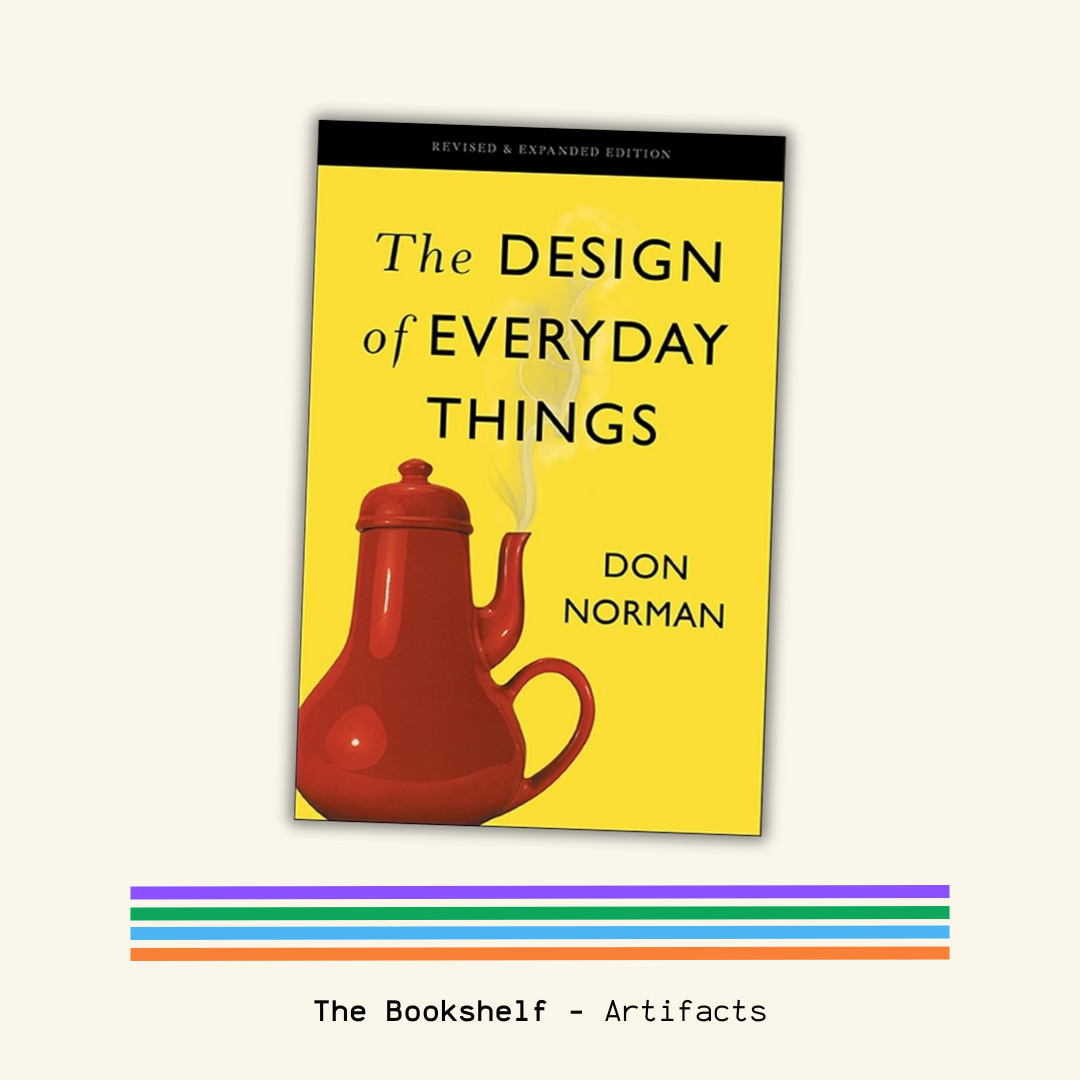 I’ve gone on about this enough, but trust me - it’s a gem, whether you’re into tech or not. It changes the way you see everything in daily life. Soon enough, you’ll find yourself obsessed with door handles. :)
📚 All the books I’ve read and recommended in Artifacts are here.
> ### Nerding
 If you want to post on Bluesky straight from Twitter, email anyone who fills out your form, or automate just about anything else, Zapier is your best bet. No-code, foolproof, and perfect for dummies!
> ### ☕?
If you want to know more about Artifacts, where it all started, or just want to connect...
Let's grab a virtual coffee ☕
###
 But I’m not here to talk about AI or data collection. This is just the hook, the spark that led to this edition of Artifacts.
Because what really matters is what all these frustrating UX journeys have in common: a specific, insidious concept - dark patterns.
Back in 2010, UX designer Harry Brignull gave this name to something we’ve all experienced: deceptive design choices that subtly push users toward actions they might not otherwise take.
He even cataloged them, putting together a hall of shame full of the most shameless examples.
And he was onto something. Fast-forward to today, and “dark patterns” are recognized in tech regulation, from the EU’s Digital Services Act to California’s CCPA
------------------------------------------------------------------------
What he got right is that design matters and, importantly, shapes users’ behaviour.
Because design isn’t just about aesthetics. It’s a language - one that dictates what we notice, how we navigate, and what choices feel possible and, eventually, our agency over the (digital) world
Like words in a sentence, design structures our experience. It can clarify or obscure, guide or mislead. It can empower users - or trap them in a maze of friction, confusion, and manipulation, as dark patterns do.
In this edition of Artifacts, we’re shining a light into that darkness. And tracing it back to some core principles of design—not just digital UX, but the very fundamentals of how we interact with everyday things.
> ### The Story
At its core, design is a system of control. The real question isn’t how something is designed, but for whom —\> Whose interests are being served?
This isn’t just a theoretical musing - it’s baked into the very nature of how we interact with the world, both physical and digital. A door handle, a software setting, a checkout button - each one is designed to nudge us toward an intended action.
Don Norman, in “The Design of Everyday Things”, breaks this down into a set of principles & criteria that make objects easy to use. They’re just as relevant to websites and apps as they are to coffee makers and light switches:
- Affordances tell us what something can do. A handle invites pulling, a button suggests clicking. When design is done well, this feels obvious. When it’s not, you push when you should pull - or worse, click when you shouldn’t.
- Signifiers guide where to act. A blue underlined link looks clickable. A toggle switch with unclear states? That’s bad signification - you’re left wondering if it’s on or off.
- Mapping is how controls relate to their effects. A volume knob turns right to increase sound. But in a digital setting, mapping can be twisted: a privacy setting buried deep inside a “General” menu is mapped to be hard to find on purpose.
- Feedback lets you know something happened. Click “Delete Account,” and you should get a confirmation. If you don’t? You’re left in limbo, unsure if your action even worked.
 For instance
These lead to two broader design principles:
- Discoverability, whether we can figure out what actions are possible and where and how to perform them;
- Understanding: How a product is supposed to be used and what do all the different controls and settings mean.
These are the criteria we can use to evaluate the design of anything - the worse it performs, the closer we get to a dark pattern or, more simply, to a design that harms users.
Now, here’s where things get interesting. If an interface lacks these qualities by accident, it’s just bad design. Annoying, but not sinister.
But when these principles are deliberately weakened? That’s when we enter the realm of dark patterns.
 Which is, actually, well different from a bad design.
Dark patterns don’t make a product unusable - they make it work against you. They constrain options, push defaults, and make it harder to act in your own interest. They turn users into passengers rather than drivers of their own experience.
And where does that lead? To a world where control shifts from the user to the designer - not in service of usability, but of someone else’s bottom line.
------------------------------------------------------------------------
So, what? Playing around with Don Norman’s toolkit—more understanding, more discoverability—we can rethink how OpenAI’s opt-outs work.
 as a reminder
Which, again, doesn’t just mean fixing what’s broken. It means making the system explain itself so users don’t have to reverse-engineer it.
Right now, the setting has a vague phrase paired with an On toggle. What does “improve” mean? What data is being collected? Can I see what’s shared? These are black boxes where transparency should be.
And then there’s the toggle itself - a tiny, unclear switch with no real signifier of its state. Does “On” mean I’m sharing data? Does “Off” mean I’m private? A simple binary like:
✅ “Allow my chats to be used for AI training”
🚫 “Do not use my chats for AI training”
…would be far clearer. Even better? A proper switch component - one that explicitly changes state instead of a vague, text-based indicator.
And that’s it for signifiers and affordances: we know better what to do and are better guided.
On top of this, we can reimagine the mapping.
Currently, this option sits under “Data Controls,” which sounds neutral, almost administrative. But data-sharing is a privacy decision, not just a settings toggle. It belongs under Security - or at least should be cross-referenced there. If a user has to hunt for it, they’re already at a disadvantage.
Needless to say, making it less than 4 clicks away, possibly in the home page, would make things even more understandable and usable.
------------------------------------------------------------------------
These aren’t sweeping changes or demands for a full system overhaul. They’re small but meaningful adjustments—simple ways to make the system clearer, giving users more control and, ultimately, more power over their own data.
So they’re not left in the dark.
Leave a comment
> ### Save for Later
Silicon Valley has its new God.
Paris has been the AI capital for a few days, so what?
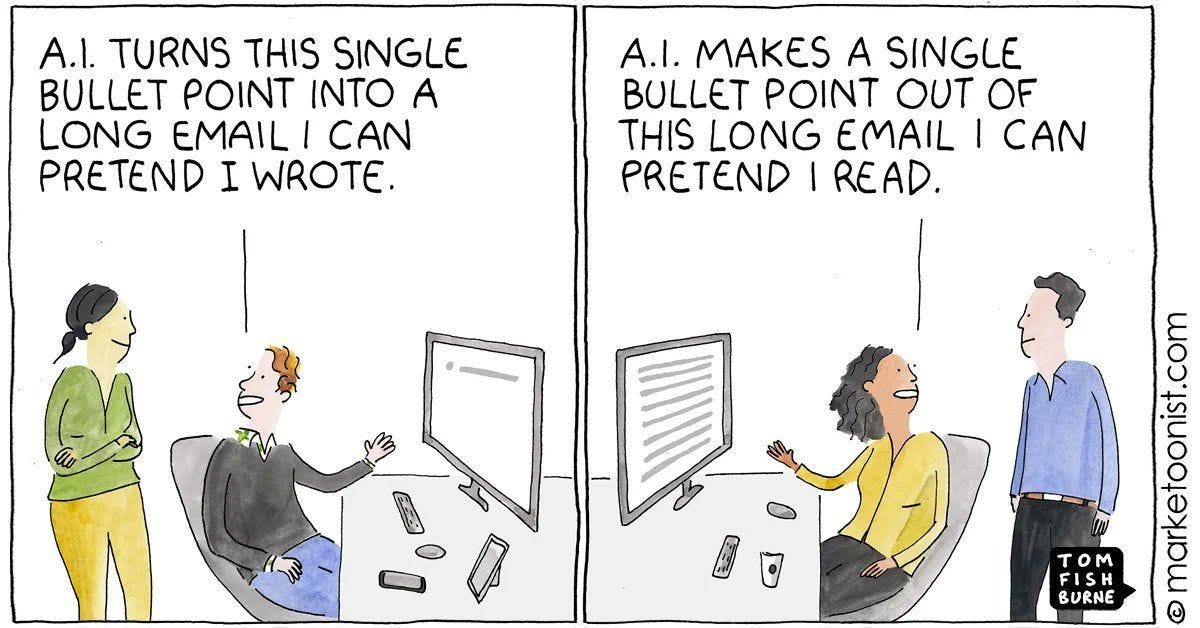
Please just say “I don’t know”, AI! And don’t tell me how and what to write. (one of the best pieces read in the past year)
Building products and what not to do.
What life with TikTok can end up being, after a while.
Who’s powering the DOGE?
Lol:
 > ### Someone said this before
“Knowledge is knowing that a tomato is a fruit. Wisdom is knowing not to put it in a salad”
> ### The Bookshelf
 I’ve gone on about this enough, but trust me - it’s a gem, whether you’re into tech or not. It changes the way you see everything in daily life. Soon enough, you’ll find yourself obsessed with door handles. :)
📚 All the books I’ve read and recommended in Artifacts are here.
> ### Nerding
 If you want to post on Bluesky straight from Twitter, email anyone who fills out your form, or automate just about anything else, Zapier is your best bet. No-code, foolproof, and perfect for dummies!
> ### ☕?
If you want to know more about Artifacts, where it all started, or just want to connect...
Let's grab a virtual coffee ☕
###