---
title: "You know a good architect?"
subtitle: "So to go fix a few things that may be wrong with the design of social media platforms"
author: "Lorenzo Ancona"
date: 2026-04-07
language: en
words: 1649
canonical: https://artifactstech.substack.com/p/you-know-a-good-architect
license: CC BY 4.0
cite_as: "You know a good architect? by Lorenzo Ancona, Artifacts, 2026-04-07. https://artifactstech.substack.com/p/you-know-a-good-architect (CC BY 4.0)"
---
# You know a good architect?
A few weeks back, I was in Amsterdam in a well-known museum that I had visited before. They had restructured the building, though: new layout, different lighting, and a reworked flow for visitors.
The experience was notably worse, despite the quality of the art on the walls. The same pieces I remembered were now hard to see properly - light reflecting off surfaces, canvases hung in awkward corners, and the rhythm of the visit broken.
Nothing had changed about the art but everything had changed about the building around it.
It reminded me of reading a beautiful book in a poorly printed edition - the content is all there, but something in the way it reaches you is off.
A badly designed building affects what it contains and the people who visit it. To fix it, you will likely call back the architects, not the artists.
------------------------------------------------------------------------
With a bit of fantasy and mental stretch, this is what was ruled for social media in the US in the last weeks.
Two bellwether (must admit I learnt a new word), initial rulings:
- On March 25, a Los Angeles jury found Meta and YouTube negligent in the design of their platforms - ruling that features like infinite scroll, autoplay, and algorithmically-tuned reward loops were not neutral product choices but foreseeable causes of harm. The plaintiff had sued the companies at 17 after spending up to 16 hours a day on Instagram as a teenager.
- On March 24, a New Mexico jury ordered Meta to pay \$375 million after the state attorney general proved the company had misled users about how safe its platforms were for children - and that its design had actively enabled predators to find and contact minors.
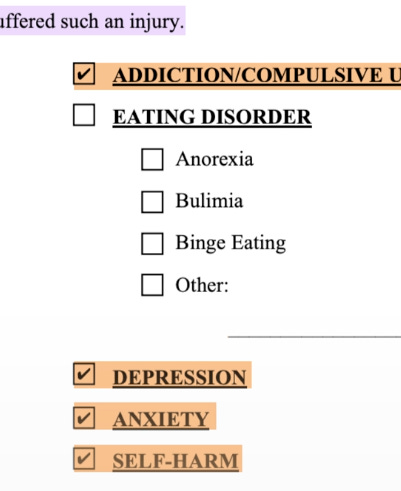 To get a sense of the severity of these matters. Plus, the full explanation here
The platforms have announced that they will appeal these decisions.
What makes these verdicts different from the thousands of lawsuits that came before is not the dollar amounts but the question they answered: courts weren’t asked whether Meta and Google hosted harmful content but whether they built dangerous products or hadn’t done enough to prevent harm.
This distinction - quiet, technical, almost bureaucratic-sounding - is actually a big new thing.
------------------------------------------------------------------------
Up until now, platforms have often been shielded by Section 230, or ‘the 26 words that created the Internet’ - a piece of legislation within the 1996 Communications Decency Act that protects online services from liability for what users post.
Section 230 made the internet possible because no one would have risked opening a service and bearing responsibility for other people’s actions.
Yet when it passed, the closest thing to a social media platform looked like this:
 These are CompuServe and Prodigy, dial-up platforms where users posted text messages to bulletin boards. Users also chose a topic and read posts in chronological order. The logic of 230 was sound: you don’t sue the corkboard for what someone pins to it.
What CompuServe and Prodigy were offering was the hosting of content. But online platforms have changed quite a bit since:
They can now profile every user - every tap, pause, scroll, and replay feeding a behavioural model. They personalise reality: two people on the same platform at the same moment see completely different feeds. They recommend the next piece of content before you’ve decided you want one. They shape what is culturally visible at scale: what trends, what gets buried, what goes viral is not the neutral outcome of user preference but the product of ranking decisions the platform makes for billions of people simultaneously.
The content is still there, but it has become the fuel of a much broader and complex machine built on top. What these platforms offer now - content curation, algorithmically-determined connections, trends, monetisation - is far beyond just hosting.
And as they have built more complex products and offered more complex services, it makes a lot of sense to scrutinise the design.
Back to the two cases, with a bit more detail:
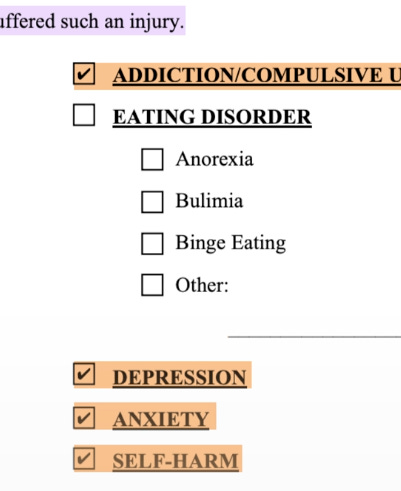
- KGM (the Los Angeles case) is a case about what Meta and YouTube built: infinite scroll, autoplay, variable reward loops - the deliberate unpredictability of likes and engagement, engineered to trigger certain behaviours. These are features with authors, thus decisions with accountability. The jury found their design negligent.
- New Mexico is a case about what Meta didn’t build (super interesting to read the full case here). The state attorney general ran an undercover investigation, creating a fake profile of a 13-year-old girl. She was served grooming content and connected to predators. What was missing: meaningful age verification, protective defaults, friction.
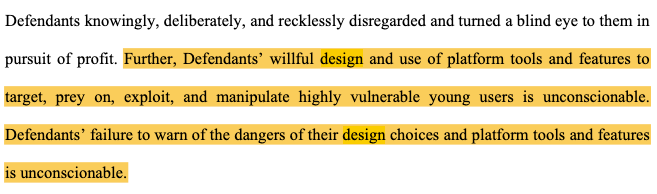 the New Mexico Case
If we are to introduce the language of product liability doctrine: the first case spots defects of commission, the latter defects of omission. Some of what Meta built was harmful; some of what it chose not to build made things worse.
By looking into these items, judges went beyond Section 230 and started scrutinising the design of the platforms themselves. In such a change, what’s new is also who is now part of the conversation.
If before platform accountability was a topic mostly for lawyers, regulators, and policy people, it will now involve a different crowd: product people who designed (or didn’t design) a specific feature and engineers who implemented it in a given way.
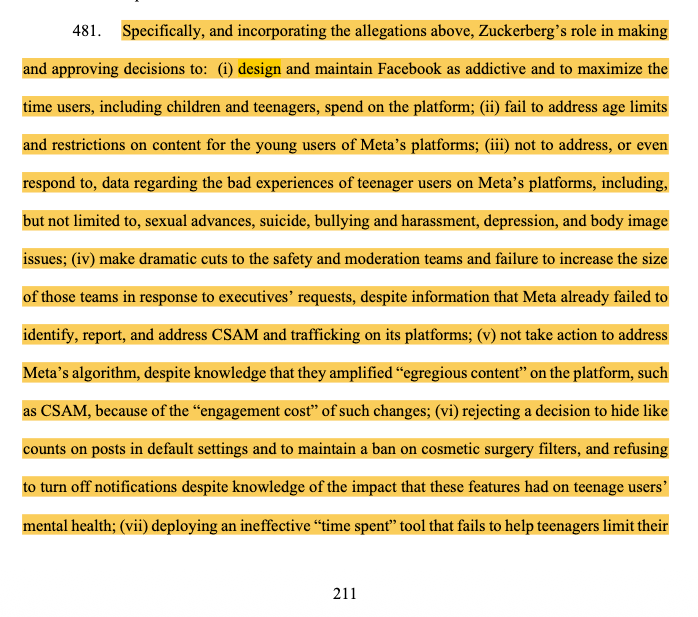 look at how much detail the case provides about the design decisions
And therefore, product liability is the natural legal container for all of this. It asks the right questions: could you have built this differently? Could you have chosen not to build it at all?
But in the US, product liability, as currently defined, was built for pharmaceuticals and power tools. Applying it to algorithmic systems requires foundations the law hasn’t yet built. So, they’d need:
- a clear legal definition of what counts as a “product” in the digital world - social media platforms and algorithmic services are currently treated more like intangible services than goods;
- a design‑defect standard that fits software: treating features that are “working as intended but foreseeably harmful” as a defect that was predictable, thus avoidable;
- a causation doctrine (‘this causes that’ type of thing) that handles systemic harm epidemiologically rather than case by case — tobacco litigation eventually developed this. This one is particularly important since, as contended by Meta too, it is quite a strong statement to say that a single platform has caused mental problems for a teenager.
- a First Amendment boundary that cleanly separates design conduct (how the platform works) from editorial expression (what content is there and how it is distributed), so platforms can’t collapse the two on appeal.
If these foundations get built, we get the tools to keep scrutinising properly how social media are designed, so that when architectural choices cause harm, they can be addressed.
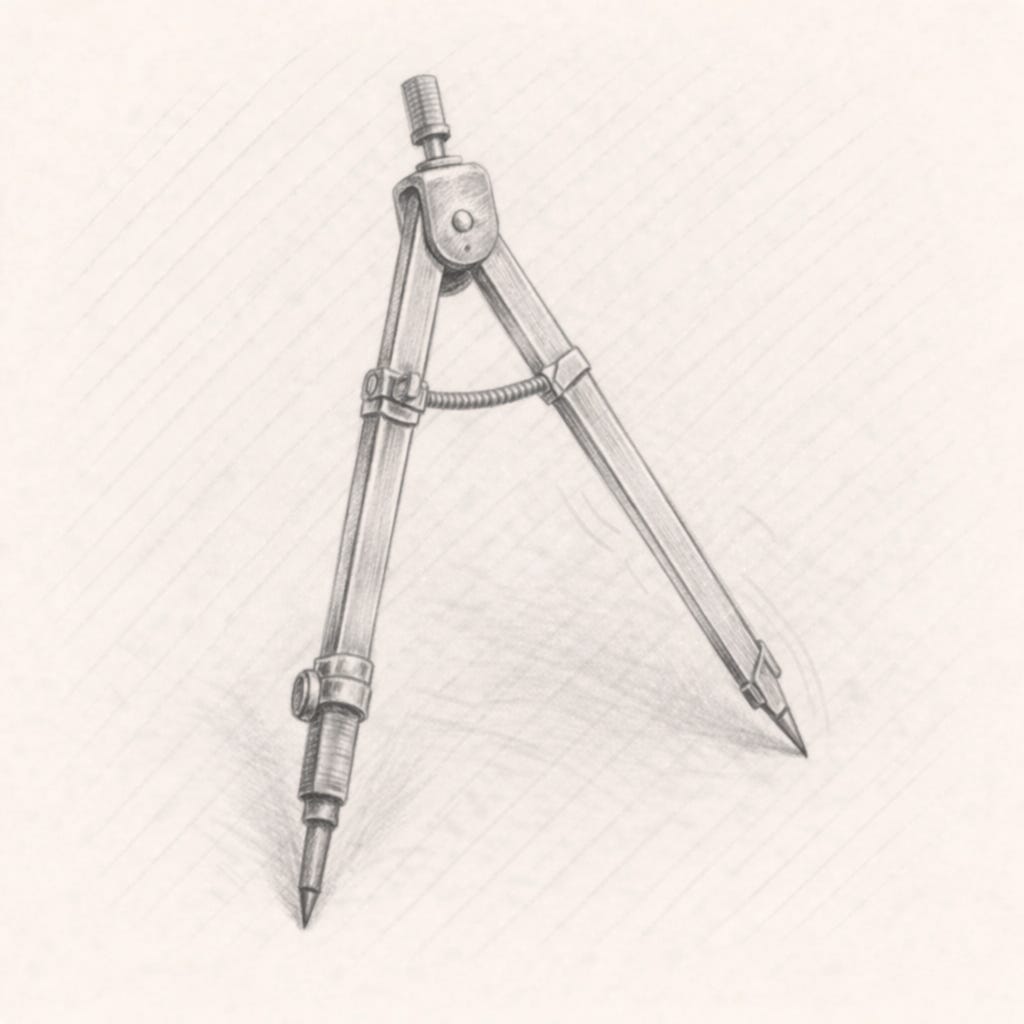 Speaking of tools, architects, and design
The importance of sound foundations is clear if we look at what Europe is already trying. With the Digital Services Act (which is not at all just about content!), the EU is, for instance, looking into prohibiting dark patterns, requiring recommender system transparency.
Therefore, for instance in December, the Commission issued its first DSA fine: €120 million to X, partly for the design of its blue checkmark, a trust signal quietly turned into a paid badge anyone could buy. And days after the US verdicts, it opened a formal investigation into Snapchat - focusing on defaults that exposed minors to strangers and age verification that amounted to typing a birthdate.
Two legal systems, different legal instruments, but the same shared question: can we improve the design of these platforms?
And so, as in that Amsterdam museum, finally asking if we can call the architects back in to fix the building.
Leave a comment
> ### Save for Later
Pay a bit of attention, please. Although there are good reasons why you cannot concentrate. Or you may not be able to spot a deepfake.
What if Venture Capitalists are zombies? And what if the Internet is less and less human. And some bad stories about AI workers
Maybe OpenAI can’t compete? AI may not love to reference newspapers. But some AI companies want others to pay copyright.
How war has become a story. And what’s this story of the EU censoring speech.
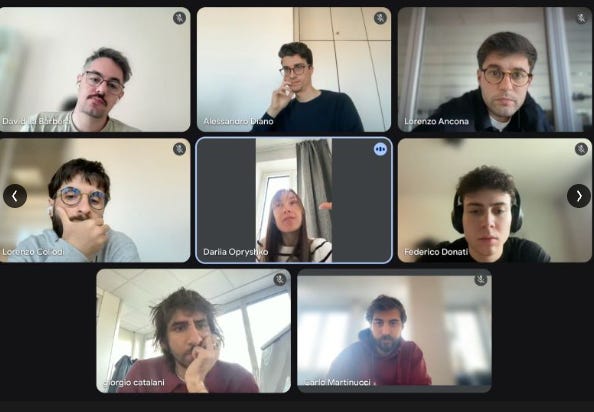
Go checkout what Carlo & Alessandro Diano are doing to fight polarization online - and do use their tools for your information diet! (+ had a lot of fun with them and other cool people from the UnbubbleHub building Sources, a tool to widen perspectives on any given topic)
 > ### The Bookshelf
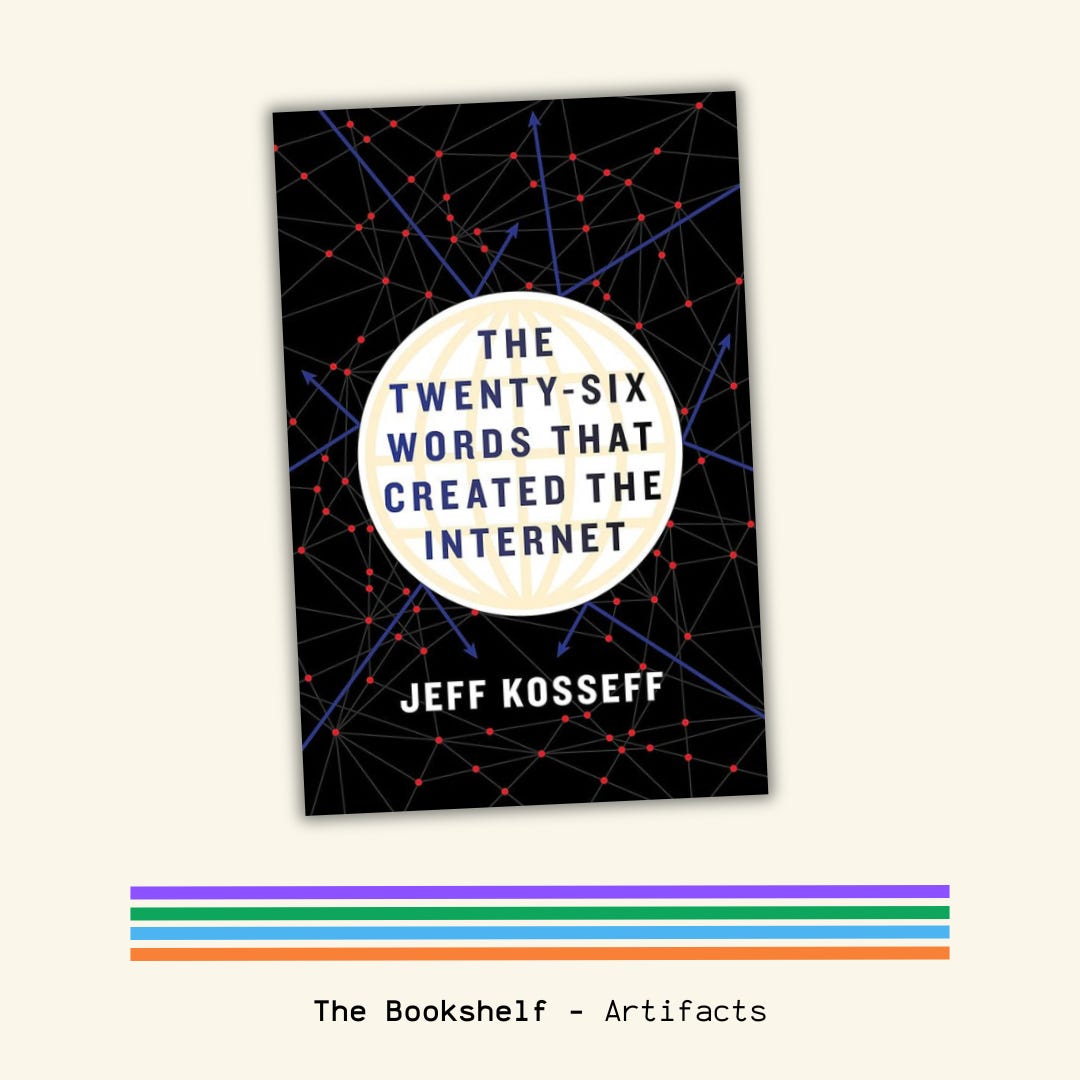 Probably the most comprehensive book about Section 230. You don’t need to be a lawyer to read it (I’m not). It will provide you with a lot of details and information to understand the why and how of Internet regulation 30 years back.
📚 All the books I’ve read and recommended in Artifacts are here.
> ### Nerding
 You know the moment you want to save something on your laptop, don’t know where, so you just pile it up on the desktop and never go back to it? I guess this is why they built Dropzone, which is, indeed, the virtual basket where you drop that file you’d like to get back to at some point.
> ### ☕?
If you want to know more about Artifacts, where it all started, or just want to connect...
Let's grab a virtual coffee ☕
 These are CompuServe and Prodigy, dial-up platforms where users posted text messages to bulletin boards. Users also chose a topic and read posts in chronological order. The logic of 230 was sound: you don’t sue the corkboard for what someone pins to it.
What CompuServe and Prodigy were offering was the hosting of content. But online platforms have changed quite a bit since:
They can now profile every user - every tap, pause, scroll, and replay feeding a behavioural model. They personalise reality: two people on the same platform at the same moment see completely different feeds. They recommend the next piece of content before you’ve decided you want one. They shape what is culturally visible at scale: what trends, what gets buried, what goes viral is not the neutral outcome of user preference but the product of ranking decisions the platform makes for billions of people simultaneously.
The content is still there, but it has become the fuel of a much broader and complex machine built on top. What these platforms offer now - content curation, algorithmically-determined connections, trends, monetisation - is far beyond just hosting.
And as they have built more complex products and offered more complex services, it makes a lot of sense to scrutinise the design.
Back to the two cases, with a bit more detail:
- KGM (the Los Angeles case) is a case about what Meta and YouTube built: infinite scroll, autoplay, variable reward loops - the deliberate unpredictability of likes and engagement, engineered to trigger certain behaviours. These are features with authors, thus decisions with accountability. The jury found their design negligent.
- New Mexico is a case about what Meta didn’t build (super interesting to read the full case here). The state attorney general ran an undercover investigation, creating a fake profile of a 13-year-old girl. She was served grooming content and connected to predators. What was missing: meaningful age verification, protective defaults, friction.
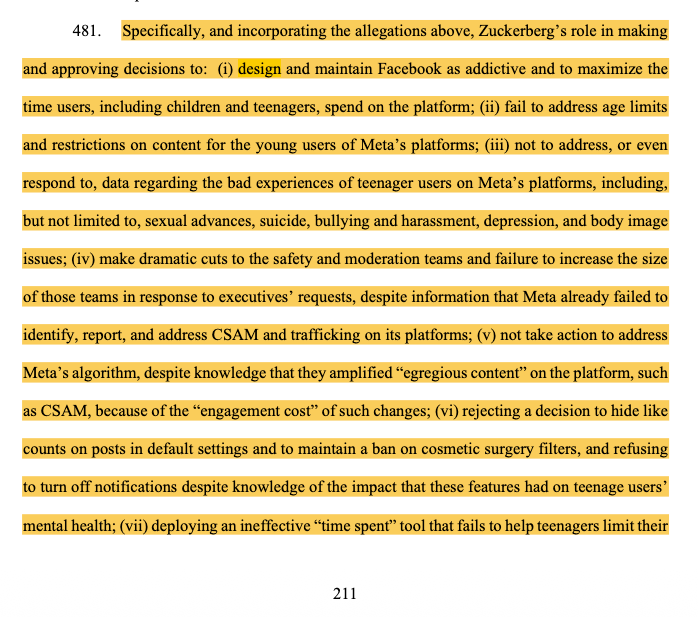 look at how much detail the case provides about the design decisions
And therefore, product liability is the natural legal container for all of this. It asks the right questions: could you have built this differently? Could you have chosen not to build it at all?
But in the US, product liability, as currently defined, was built for pharmaceuticals and power tools. Applying it to algorithmic systems requires foundations the law hasn’t yet built. So, they’d need:
- a clear legal definition of what counts as a “product” in the digital world - social media platforms and algorithmic services are currently treated more like intangible services than goods;
- a design‑defect standard that fits software: treating features that are “working as intended but foreseeably harmful” as a defect that was predictable, thus avoidable;
- a causation doctrine (‘this causes that’ type of thing) that handles systemic harm epidemiologically rather than case by case — tobacco litigation eventually developed this. This one is particularly important since, as contended by Meta too, it is quite a strong statement to say that a single platform has caused mental problems for a teenager.
- a First Amendment boundary that cleanly separates design conduct (how the platform works) from editorial expression (what content is there and how it is distributed), so platforms can’t collapse the two on appeal.
If these foundations get built, we get the tools to keep scrutinising properly how social media are designed, so that when architectural choices cause harm, they can be addressed.
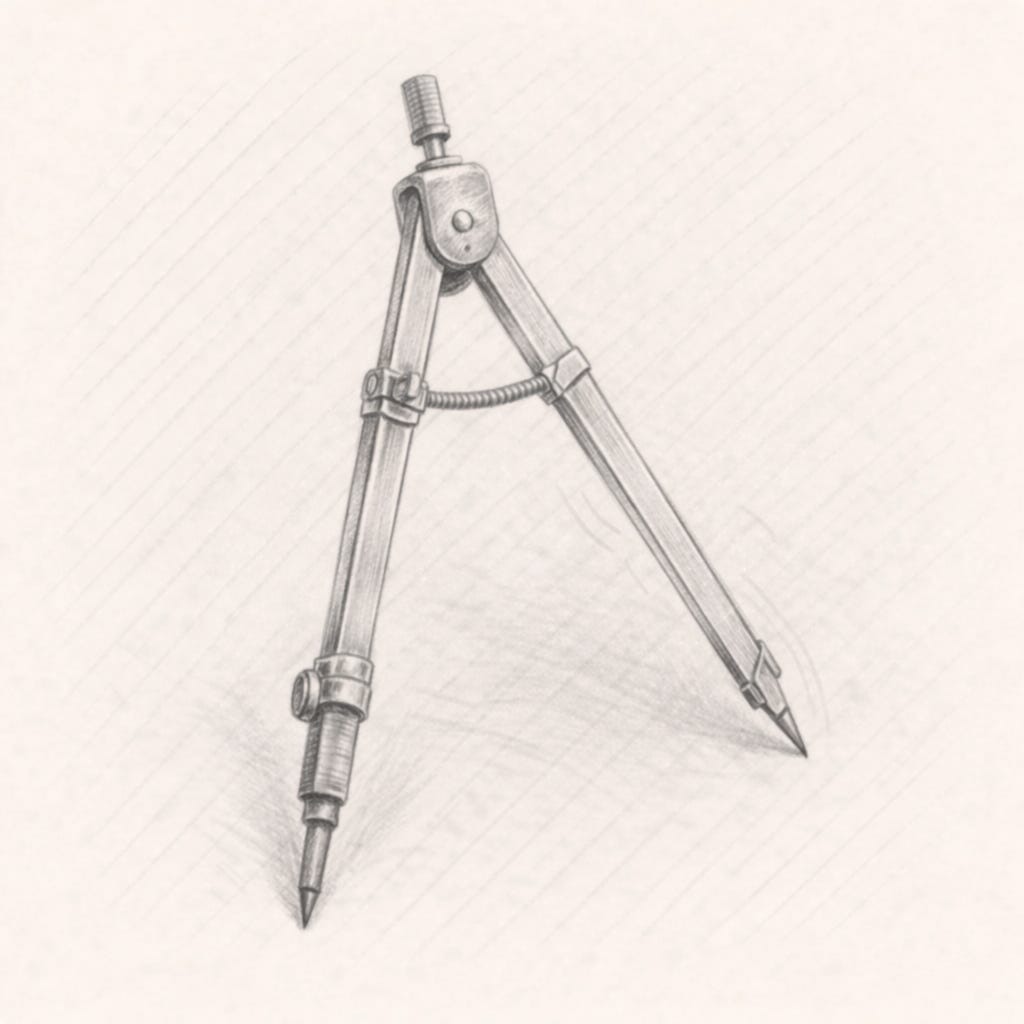 Speaking of tools, architects, and design
The importance of sound foundations is clear if we look at what Europe is already trying. With the Digital Services Act (which is not at all just about content!), the EU is, for instance, looking into prohibiting dark patterns, requiring recommender system transparency.
Therefore, for instance in December, the Commission issued its first DSA fine: €120 million to X, partly for the design of its blue checkmark, a trust signal quietly turned into a paid badge anyone could buy. And days after the US verdicts, it opened a formal investigation into Snapchat - focusing on defaults that exposed minors to strangers and age verification that amounted to typing a birthdate.
Two legal systems, different legal instruments, but the same shared question: can we improve the design of these platforms?
And so, as in that Amsterdam museum, finally asking if we can call the architects back in to fix the building.
Leave a comment
> ### Save for Later
Pay a bit of attention, please. Although there are good reasons why you cannot concentrate. Or you may not be able to spot a deepfake.
What if Venture Capitalists are zombies? And what if the Internet is less and less human. And some bad stories about AI workers
Maybe OpenAI can’t compete? AI may not love to reference newspapers. But some AI companies want others to pay copyright.
How war has become a story. And what’s this story of the EU censoring speech.
Go checkout what Carlo & Alessandro Diano are doing to fight polarization online - and do use their tools for your information diet! (+ had a lot of fun with them and other cool people from the UnbubbleHub building Sources, a tool to widen perspectives on any given topic)
 > ### The Bookshelf
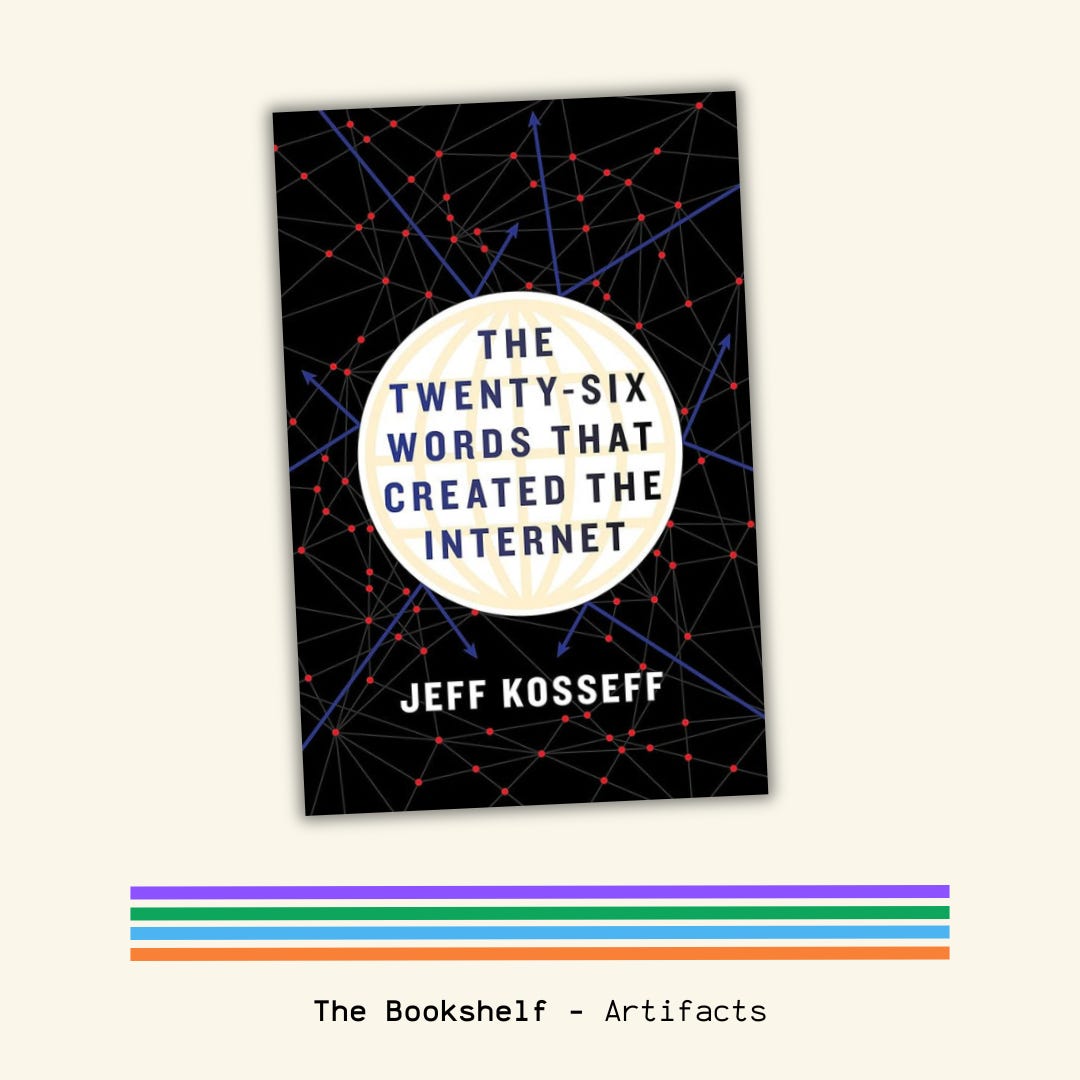 Probably the most comprehensive book about Section 230. You don’t need to be a lawyer to read it (I’m not). It will provide you with a lot of details and information to understand the why and how of Internet regulation 30 years back.
📚 All the books I’ve read and recommended in Artifacts are here.
> ### Nerding
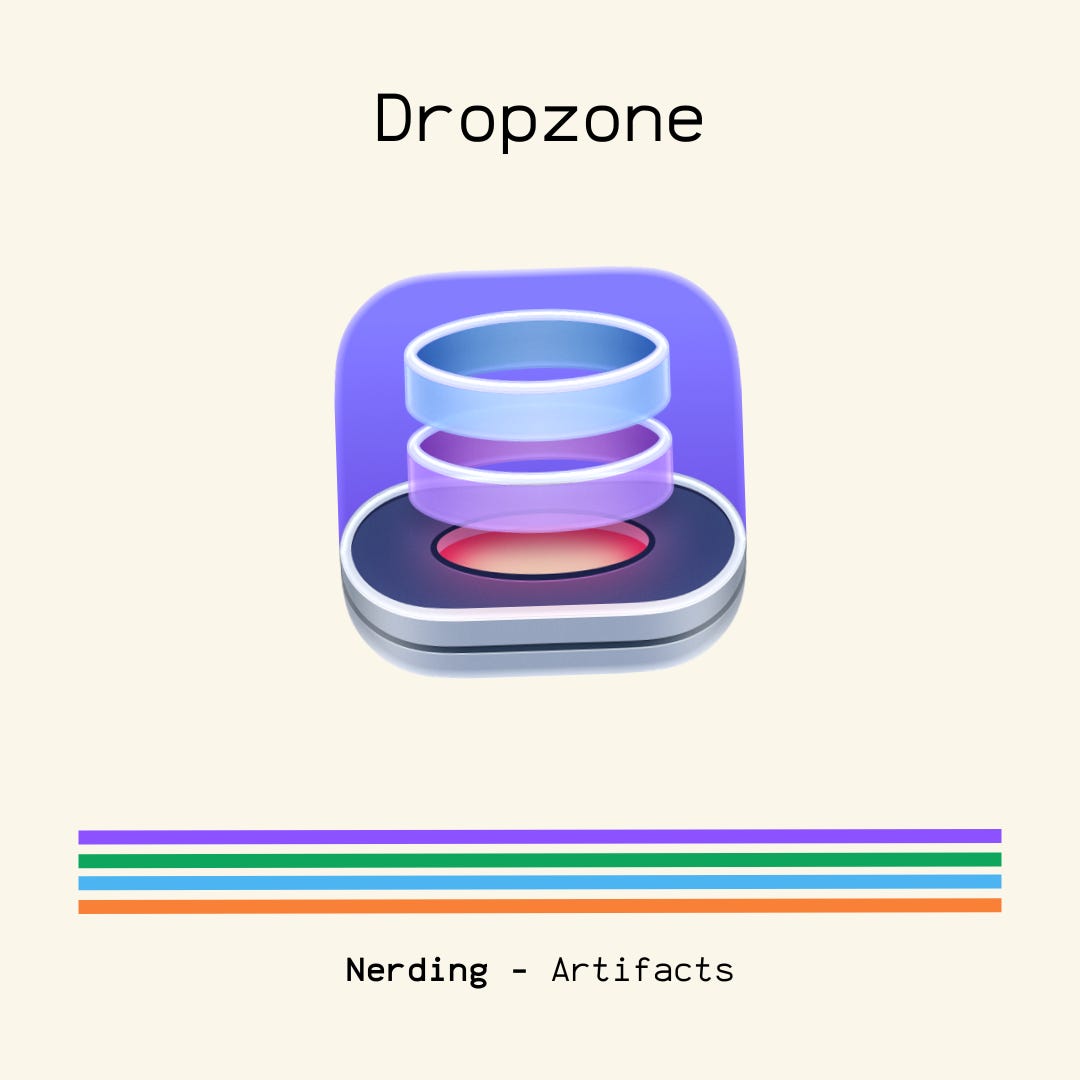 You know the moment you want to save something on your laptop, don’t know where, so you just pile it up on the desktop and never go back to it? I guess this is why they built Dropzone, which is, indeed, the virtual basket where you drop that file you’d like to get back to at some point.
> ### ☕?
If you want to know more about Artifacts, where it all started, or just want to connect...
Let's grab a virtual coffee ☕